
Water and wastewater professionals develop extensive knowledge throughout their careers. Experienced operators and maintenance personnel understand their facilities and know how to respond when conditions do not go as planned.
Even seasoned professionals, however, can miss a step, overlook a notification requirement, or rely on a practice because “that’s the way we’ve always done it.” When an unusual event occurs, employees must be prepared to act quickly, follow established procedures, and communicate clearly.
That is where U.S. Water’s Call to Duty training comes in.
Preparing Employees for Critical Situations
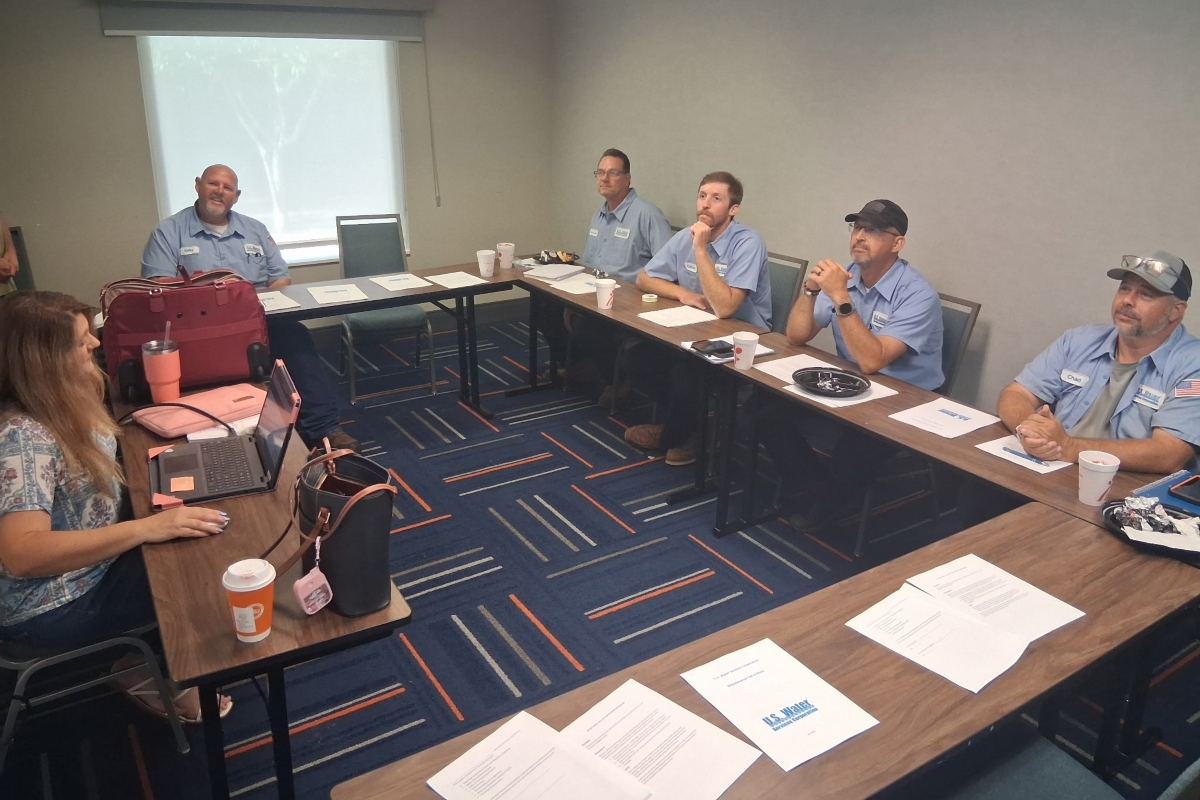
Call to Duty training is a practical refresher for operations and maintenance personnel. It reviews the responsibilities that are especially important during emergencies and unusual operating conditions.
Topics may include:
- Regulatory reporting requirements
- Customer and public notification procedures
- Abnormal operating conditions
- Events requiring an immediate or elevated response
- Conditions that may require a boil water notice
- Internal escalation and management notification procedures
- Emergency documentation and follow-up requirements
Employees may already be familiar with many of these responsibilities. However, emergencies can create pressure and uncertainty. Reviewing the procedures ahead of time helps employees respond with confidence when every minute counts.
Supporting Clear and Timely Communication
Correcting an operational problem is only part of the response. Supervisors, clients, regulators, customers, and other stakeholders may also need to be notified within specific timeframes. Employees need to understand their role in that process. They should know whom to contact, what information to provide, and how to document the event and the actions taken. Clear communication helps avoid delays and confusion while supporting regulatory compliance.
Call to Duty training also reminds employees to speak up when something does not seem right. Reporting a concern early may prevent a small issue from becoming a larger operational, environmental, or regulatory problem.
Making Training Part of Our Culture
Training begins when employees join the company and continues throughout their careers. As regulations, facilities, and operating conditions change, procedures and training must change with them.
Regular refreshers give employees a chance to ask questions, talk through situations they may encounter, and confirm that current practices still meet regulatory requirements and company expectations. They also help create a consistent approach across teams and facilities.
Training also provides an opportunity to share knowledge. Experienced employees can pass along lessons learned in the field, while newer employees often bring valuable questions and fresh perspectives.
Learning From Experience
Effective training goes beyond presentations and written procedures. Call to Duty sessions may include actual operating scenarios, lessons learned, emergency response exercises, and examples from other facilities. Using realistic situations makes the information easier to understand and apply.
U.S. Water also reviews significant operational events to determine what happened, how the team responded, and what could be improved. When needed, standard operating procedures, response plans, and training materials are updated based on those lessons.
Building a More Prepared Workforce
No training program can cover every possible situation. It can, however, give employees a clear framework for recognizing a problem, escalating concerns, protecting public health and the environment, and taking the appropriate next steps.
Call to Duty training supports U.S. Water’s commitment to safe, reliable, and compliant operations. By regularly reviewing critical responsibilities, we help employees stay prepared, keep clients informed, and respond effectively when unexpected situations arise.